Poker Etiquette in 2026: 10 Unwritten Rules at a Live Table
A live poker table has its own rhythm. Knowing the hand rankings is only half the job: how you handle chips, cards and other people matters just as much. Players browsing Nolimit way for a casino no deposit bonus should remember that online promotions and live poker etiquette are separate subjects; an offer must always be checked against its actual terms. At a physical table, these ten habits help everyone enjoy a fairer, calmer game.
Respect the Action and Keep the Game Moving
1. Wait for your turn. Acting early can reveal information and change another player’s decision. Watch the dealer, follow the betting and only fold, check or raise when action reaches you. Even an innocent comment about your cards may affect a hand still in progress.
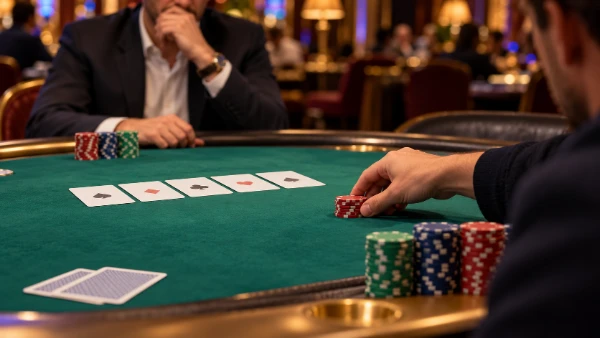
2. Make every bet unmistakable. Say “call”, “raise” or “fold” clearly and put chips forward in one deliberate movement. Avoid tossing chips into the pot or adding more after your first motion. If you are unsure of the minimum raise, ask the dealer before acting.
3. Think carefully without making everyone wait unnecessarily. A difficult river decision deserves time; routine folds rarely do. Stay aware of the action rather than looking at your phone. In tournaments, repeated delays can lead to a clock being called.
Protect the Cards and Respect the Dealer
4. Keep your hole cards secure and visible on the felt. Look at them discreetly and never lift them towards another player. Use a card protector if the venue permits one, and make sure the dealer cannot accidentally collect a live hand.
5. Treat the dealer as a referee, not a target. Dealers do not control which cards arrive. If you think a pot was awarded incorrectly, explain the issue calmly and request a floor ruling. Shouting or throwing cards only makes a difficult situation worse.
6. Leave other people’s hands alone. Never offer strategic advice while a hand is live, expose someone else’s cards or discuss what you folded. The one-player-to-a-hand principle protects decisions from outside influence, including comments from spectators.

Show Good Manners When the Stakes Feel Personal
7. Win quietly and lose gracefully. A bad beat can sting, but insults and celebrations aimed at opponents make the table uncomfortable. Congratulating a winner is optional; being civil is not. If frustration builds, taking a short break is wiser than arguing.
8. Never slow-roll an opponent. When the decision is obvious and you hold an unbeatable hand, do not pretend to hesitate merely to create suspense. At showdown, reveal your cards promptly when required. Deliberately misleading others about a hand’s strength after action ends is poor form.
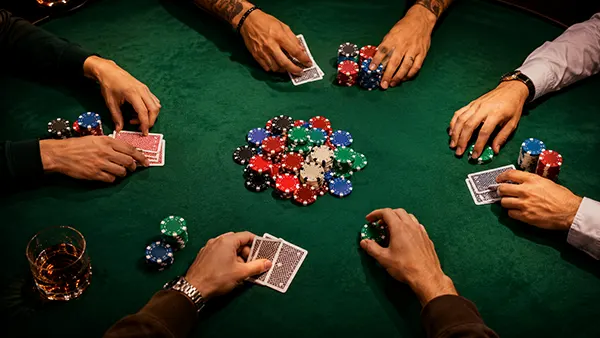
9. Keep chips organised and the table clear. Stack higher-value chips where they can be seen, avoid hiding your stack behind drinks and keep food away from cards. Accurate chip visibility helps opponents judge the size of a possible bet without repeatedly asking.
Read the Room Without Crossing the Line
10. Respect personal space and table conversation. Friendly chat is part of live poker, but persistent questions, unwanted advice and comments about a player’s ability soon become intrusive. Do not photograph people or broadcast play without permission from the venue and those involved.
In 2026, live events may impose additional restrictions on phones, smart devices and electronic strategy aids. PokerStars Live, for example, prohibits using solvers or AI assistance during tournaments. Check house rules before taking your seat; etiquette never overrides a venue’s published regulations.
The simplest test is whether your behaviour gives anyone an unfair advantage or spoils another person’s game. Clear actions, quiet patience and respect for staff prevent most disputes. Good etiquette does not guarantee winning cards, but it does make you a welcome opponent.